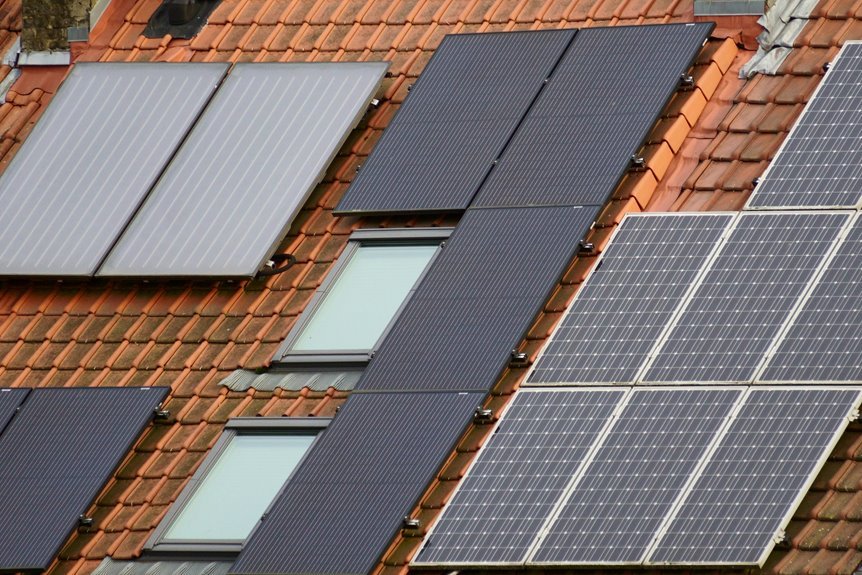
High Efficiency Systems 982497638 represent a pivotal advancement in operational design and energy management. These systems focus on maximizing energy efficiency while minimizing costs. Their integration with existing infrastructures is particularly noteworthy, allowing organizations to improve resource utilization effectively. However, the selection process for the appropriate system requires careful consideration of specific operational needs and constraints. Understanding these nuances can significantly impact overall sustainability and efficiency outcomes. What factors should organizations prioritize in this decision-making process?
Understanding High Efficiency Systems 982497638: What Are They?
What defines high efficiency systems in the context of modern engineering? They embody energy optimization through advanced design methodologies and strategic system integration.
Key Benefits of Implementing High Efficiency Systems
Although high efficiency systems are often associated with initial investment costs, the long-term benefits they provide significantly outweigh these expenses.
Primarily, they yield substantial energy savings, reducing operational costs while promoting sustainable practices.
Additionally, their implementation leads to a favorable environmental impact, minimizing carbon footprints and conserving resources.
This dual advantage empowers organizations to align financial interests with ecological responsibility, enhancing overall operational freedom.
Real-World Applications of High Efficiency Systems 982497638
The adoption of high efficiency systems is increasingly evident across various industries, showcasing their practical applications and tangible benefits.
Real world examples include advanced manufacturing processes that reduce energy consumption and HVAC systems optimized for minimal waste.
These implementations significantly enhance productivity and sustainability, demonstrating a profound industry impact that aligns with contemporary demands for efficiency and environmental responsibility.
How to Choose the Right High Efficiency System for Your Needs?
When determining the most suitable high efficiency system for specific needs, several critical factors must be meticulously evaluated.
Key considerations include energy consumption, where efficiency ratings directly impact operational costs, and system compatibility, ensuring seamless integration with existing infrastructure.
Conducting a thorough analysis of these parameters allows for informed decision-making, resulting in enhanced performance tailored to individual requirements and optimal utilization of resources.
Conclusion
In conclusion, High Efficiency Systems 982497638 represent not merely a technological advancement, but a pivotal shift towards a sustainable future. As organizations embrace these systems, they embark on a journey where energy savings and ecological responsibility coexist harmoniously. Much like a well-tuned engine, these systems optimize performance, propelling industries forward while reducing their environmental impact. Ultimately, the choice to implement such solutions is not just about efficiency; it embodies a commitment to stewardship of the planet for generations to come.